
Distress beacons
A distress beacon is an emergency transmitter that sends a distress signal along with your position to satellites or nearby vessels. It helps search and rescue teams locate you quickly. In a critical situation such as sinking, fire, or man overboard, a distress beacon transmits your location to initiate a search and rescue response.
At Seashop, we offer a range of reliable distress beacons from Ocean Signal, including EPIRBs, PLBs, and AIS-MOB devices and MOB tags from Garmin. These compact but powerful devices provide a crucial link to rescuers when time matters most.
 Ocean Signal RescueMe EPIRB1Special Price €623.15 Regular Price €698.17
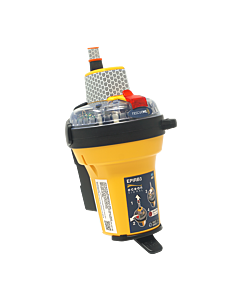 Ocean Signal RescueMe EPIRB3 : with AIS, RLS, and NFC Mobile ConnectivitySpecial Price €889.35 Regular Price €1,046.65
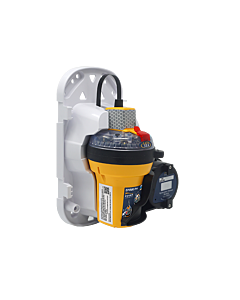 Ocean Signal RescueMe EPIRB3 ProSpecial Price €1,119.25 Regular Price €1,242.67
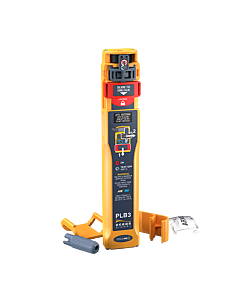 Ocean Signal RescueME PLB3Special Price €641.30 Regular Price €728.42
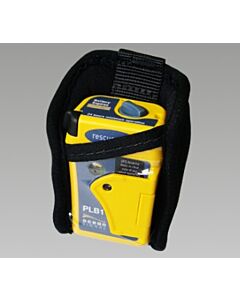
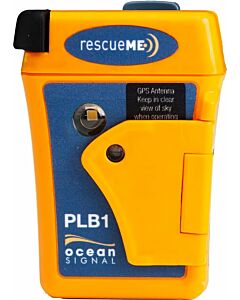 Ocean Signal RescueME PLB1 (Belgium version)Special Price €393.25 Regular Price €444.07
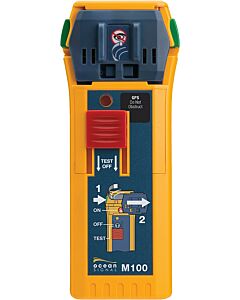
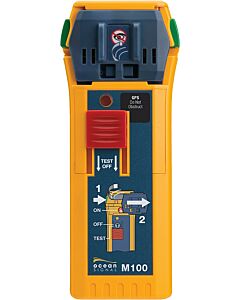 Ocean Signal Pro M100 Man Overboard device AIS/121.5Special Price €584.43 Regular Price €667.92
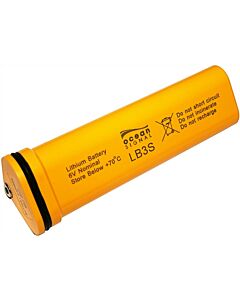
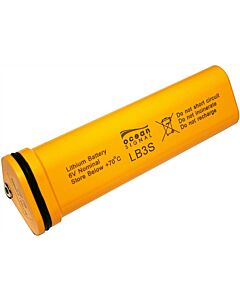
 Battery EPIRB€147.50
 MOB basepack (grey xHUB + xFOB)Special Price €240.79 Regular Price €244.50
 Ocean Signal RescueME MOB2Special Price €423.50 Regular Price €481.58
 Garmin OnBoard System (incl. GOS 10 hub & MOB-tag)Special Price €627.37 Regular Price €649.99






Why are distress beacons important on a boat?
In offshore or remote areas, help may not be nearby. A distress beacon:
- Alerts rescue services automatically
- Transmits precise location data
- Reduces search time
- Greatly increases survival chances
They are especially vital for offshore sailors and long-distance cruisers.
What's the difference between EPIRB, PLB and AIS-MOB distress beacons?
EPIRB (Emergency Position Indicating Radio Beacon)
EPIRBs are vessel-registered beacons designed for abandoning ship or major emergencies. Once activated, they send a distress alert via satellite and transmit your GPS position to the satellite network of shore stations, which then alert the MRCC (Maritime Rescue and Coordination Centre) on land.
Best for: Offshore cruising and ocean passages.
PLB (Personal Locator Beacon)
A PLB is a compact, personal version of an EPIRB with the same functions. It can be carried in a pocket or attached to a lifejacket and is manually activated in an emergency.
Best for: Individual crew members, small boats and personal safety.
EPIRBs and PLBs must be registered with national authorities. Registration links the beacon ID to your vessel and emergency contacts, helping rescue services respond faster. Most EPIRBs and PLBs are designed to transmit for at least 24 hours once activated.
AIS Man Overboard (AIS-MOB) Device
AIS-MOB devices transmit a distress signal over AIS to nearby vessels equipped with AIS receivers. They are mainly used in man overboard situations.
Best for: Crew safety on deck, especially offshore or at night.
In short: EPIRB for the ship, PLB for persons and AIS-MOB for man overboard situations.
How does a distress beacon work?
Depending on the type, a beacon may:
- Send a signal to Cospas-Sarsat satellites (EPIRB & PLB)
- Broadcast an AIS distress signal to nearby vessels (AIS-MOB)
Most modern beacons include GPS to provide precise location data.
When should a distress beacon be used?
Only in grave and imminent danger, such as:
- Sinking
- Fire onboard
- Abandoning ship
- Person overboard (AIS-MOB)
False activation can trigger costly rescue operations.
How do you maintain distress beacons?
- Check battery expiry dates
- Perform regular self-tests
- Replace batteries through authorised service when required
How do you register your distress beacon?
Proper registration ensures rescue services know who you are and what vessel you are on.
Steps to register:
- Locate the beacon’s unique HEX ID/UIN number
- Visit your country’s official beacon registration website
- Enter vessel details, emergency contacts and trip type
- Update details if ownership or boat information changes
Registration is free in most countries and legally required at 406registration.com.