
Distress signals & flares
Distress signals and flares are essential emergency signalling devices used to attract attention and guide rescuers to your position when you are in serious trouble at sea. In poor visibility, rough weather or remote areas, these visual signals can make the difference between being seen quickly or going unnoticed.
At Seashop, our range includes traditional pyrotechnic flares, electronic (LED) distress flares, smoke signals, light sticks and dye markers. Each type is designed to increase your visibility to nearby vessels and search-and-rescue teams during an emergency.
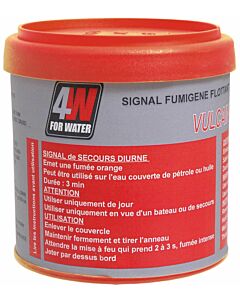 A Buoyant smoke orange SOLAS F valid 4yearsSpecial Price €42.35 Regular Price €47.19
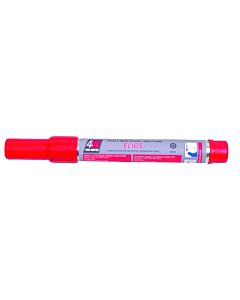 A Red handflares 1 piece SOLAS F 4years validSpecial Price €19.97 Regular Price €22.99
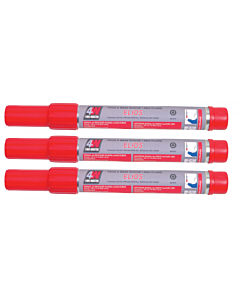 A Red handflares 3 pieces SOLAS 4years validSpecial Price €48.40 Regular Price €54.45
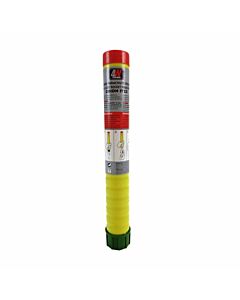 A Parachute rocket SOLAS C 4 yearsSpecial Price €47.19 Regular Price €50.82
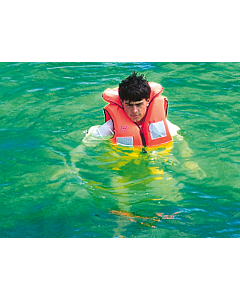 Seamark dye marker€39.89
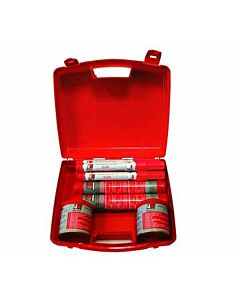 A Distress signales and flares Offshore signal kit 4years validSpecial Price €284.35 Regular Price €296.45
 Comet lijnwerper 250Special Price €629.20 Regular Price €686.07
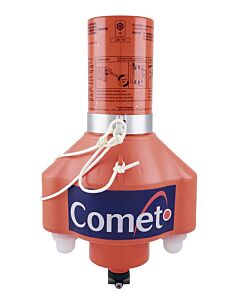 Comet ManoverboardSpecial Price €717.35 Regular Price €857.06
 A Distress pack Belgium in container 4years validSpecial Price €149.96 Regular Price €186.34
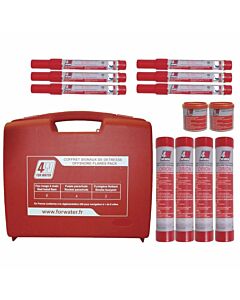 Comet Ocean Signal kit (made by Painswessex)Special Price €375.10 Regular Price €387.20
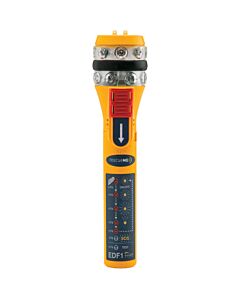 Ocean Signal EDF1 RESCUEME ELECTRONIC DISTRESS FLARE - LEDSpecial Price €157.30 Regular Price €171.82
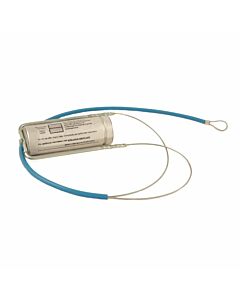 Comet lijnwerper 250 reserve vuurpeilSpecial Price €268.10 Regular Price €304.65
 Dye marker 40gr€30.23
 Dye marker 80gr€36.54
 Dry Bag for Distress Signals/PyrotechnicsSpecial Price €13.31 Regular Price €14.52
 Ocean Signal rescueME EDF2 FlareSpecial Price €271.04 Regular Price €285.56
What types of distress signals are available?
Pyrotechnic flares
Traditional flares that produce bright light or intense smoke. Common types include:
- Handheld red flares for close-range visibility
- Parachute rocket flares for long-distance aerial visibility
- Orange smoke signals for daytime location marking
These are highly visible but have a limited shelf life.
Electronic distress flares
Reusable electronic devices that emit powerful flashing SOS signals. They are:
- Safe to store
- Not pyrotechnic
- Long-lasting and reusable
Often used as a supplement to traditional flares. In many regions, pyrotechnic flares are still required by law for offshore voyages.
Smoke signals
Produce thick coloured smoke, usually orange, to mark position during the day. Especially effective for guiding helicopters or nearby vessels.
Light sticks
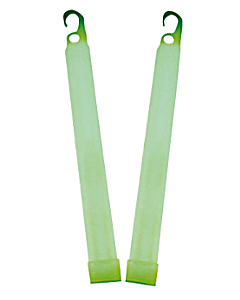
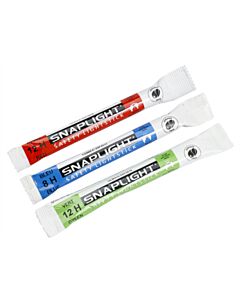
Chemical or LED light sticks provide low-level illumination and can help mark a position at night. They are not a primary distress signal but can support visibility.
Dye markers
Dye markers release bright green dye into the water, creating a large visible patch from the air. They are mainly used in daylight and calm conditions.
Which distress signal should I get?
Different signals work better in different conditions:
| Condition | Best Signal |
| Night | Parachute flare, handheld flare, electronic flare |
| Day | Smoke signal, dye marker |
| Long distance | Parachute rocket flare |
| Close range | Handheld flare |
Carrying a mix increases your chances of being seen.
How should flares be stored on board?
They should be:
- Kept dry
- Stored in an accessible, waterproof container
- Checked regularly for expiry dates
Expired flares must be disposed of according to local regulations.